
Table of Contents
Street photography in Asia is a sensory overload; crowded markets, incense smoke, temple bells, motorbikes weaving through alleys, and old men playing chess in the shade. It is color, chaos, and quiet moments colliding in real time.
But shooting in this region takes more than just walking around with a camera. You need awareness, timing, and an instinct for when to press the shutter and when not to.
Here’s how to get better photos and better reactions, without being just another tourist pointing a lens in the wrong direction.
Know the Culture Before You Point the Camera
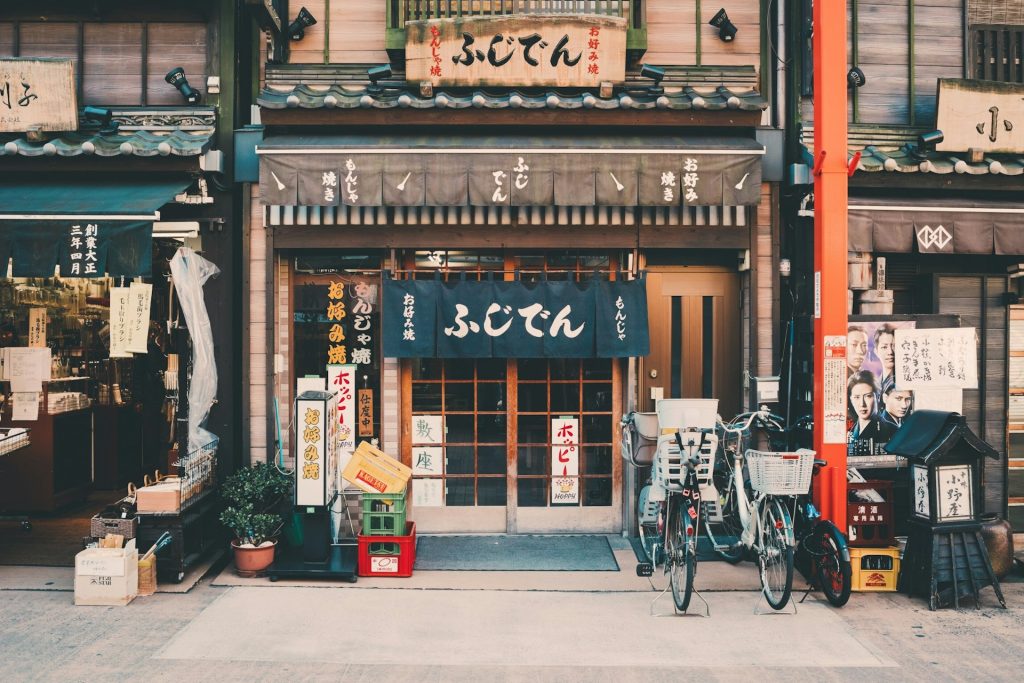
Asia isn’t one thing. Street photography in Tokyo looks and feels completely different from shooting in Delhi or Hanoi. What’s acceptable in one place may cross a line in another.
Start here:
- In Japan, people value personal space and privacy. Don’t shove your lens in someone’s face or shoot in places that feel quiet or sacred.
- In India, photography is everywhere, but people want to know why you’re taking their photo. Engage first. Then shoot.
- In Thailand, Vietnam, and Indonesia, most people are open, but context matters. Avoid shooting monks, worshippers, or grieving families without permission.
When in doubt, observe. Watch how locals behave. Follow their lead. Your photos should reflect understanding, not intrusion.
Know How to Use the Gear You Have
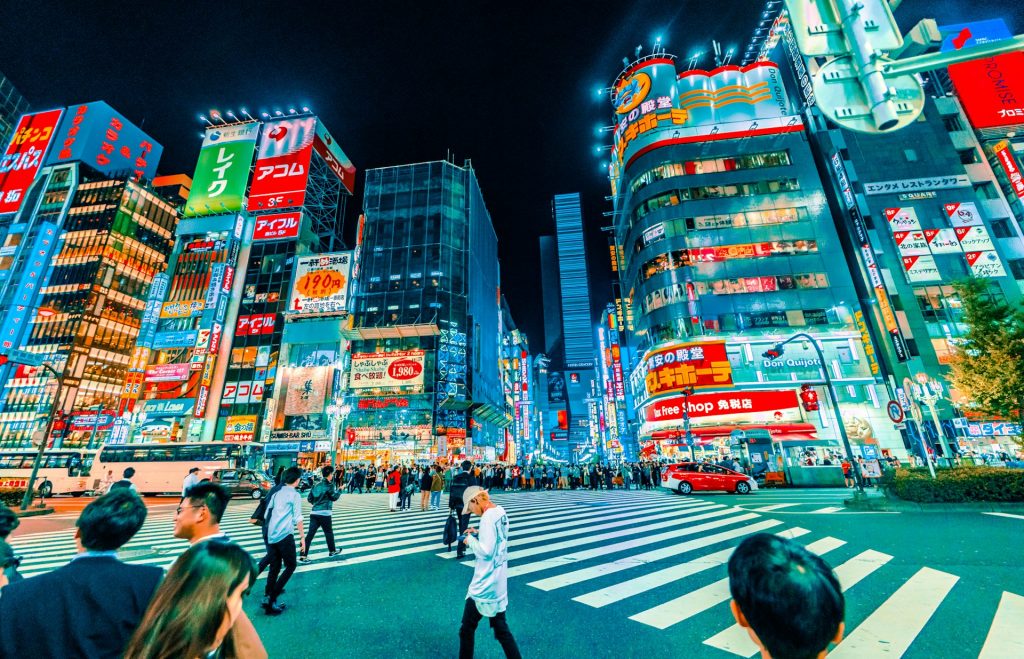
You don’t need a big DSLR or mirrorless setup. In fact, smaller is often better in crowded or sensitive environments.
Options:
- Smartphones work well in tight markets or when you want to stay discreet. Learn how to control focus and exposure manually.
- Compact cameras or mirrorless kits are ideal — they’re light, fast, and less intimidating.
- If you shoot DSLR, ditch the giant zoom lens. A 35mm or 50mm prime lens is perfect for street — it forces you to get closer and keeps you mobile.
Whatever you use, learn to shoot without staring at the screen. Anticipate. Frame fast. Trust your instincts.
Don’t Chase the Shot, Wait for It
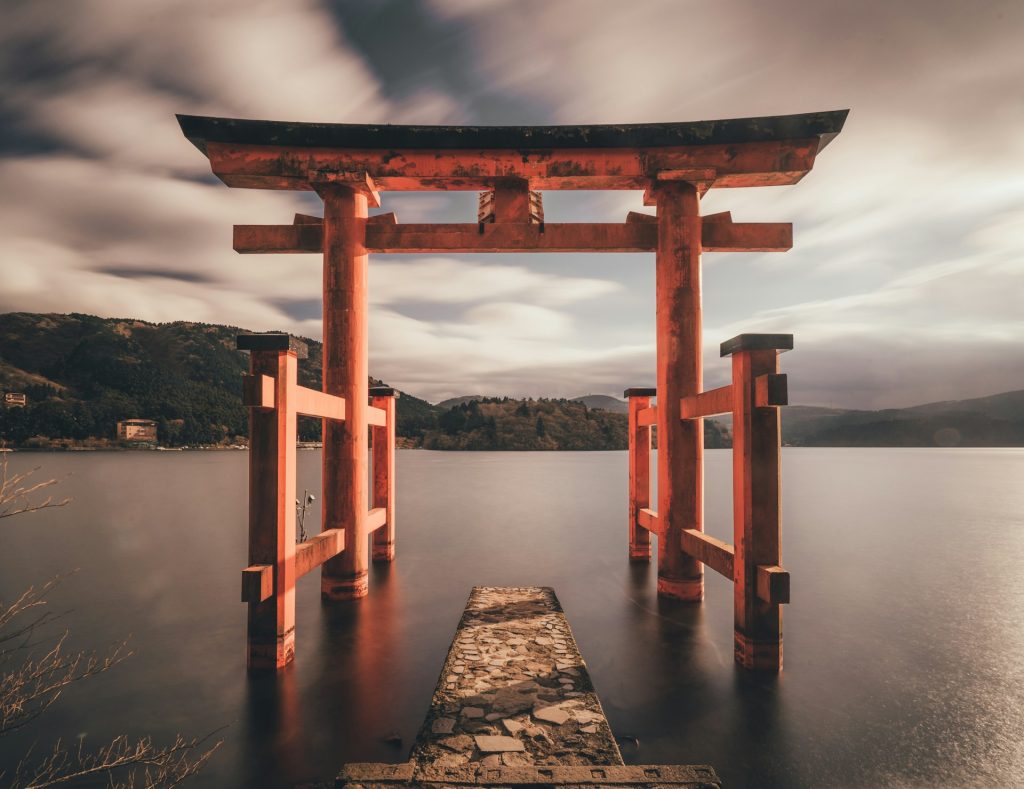
Street photography in Asia rewards patience more than speed. You don’t need to run through neighborhoods firing off frames. Often, the best images happen when you stay in one place and let the moment come to you.
Good places to wait:
- Corner cafés or tea stalls
- Market entrances and exits
- Train platforms
- Temple courtyards
- Bus stops, ferry docks, or bridge crossings
Look for good light, clean backdrops, and natural flow. Then let the scene build itself.
Light Makes the Shot, so Use It Intentionally
In tropical and subtropical parts of Asia, the light can be brutal. Midday sun creates hard shadows, shiny faces, and washed-out colors.
To make it work:
- Shoot early or late in the day — golden hour is your friend.
- In harsh light, look for covered alleys or shaded courtyards — you’ll get even, moody light and less squinting.
- Use shadows, reflections, and silhouettes creatively. Southeast Asia’s narrow streets and neon-lit nights offer plenty to work with.
Don’t fight the light. Learn how to read it, and let it do half the storytelling for you.
Respect the People First, Then Get the Shot
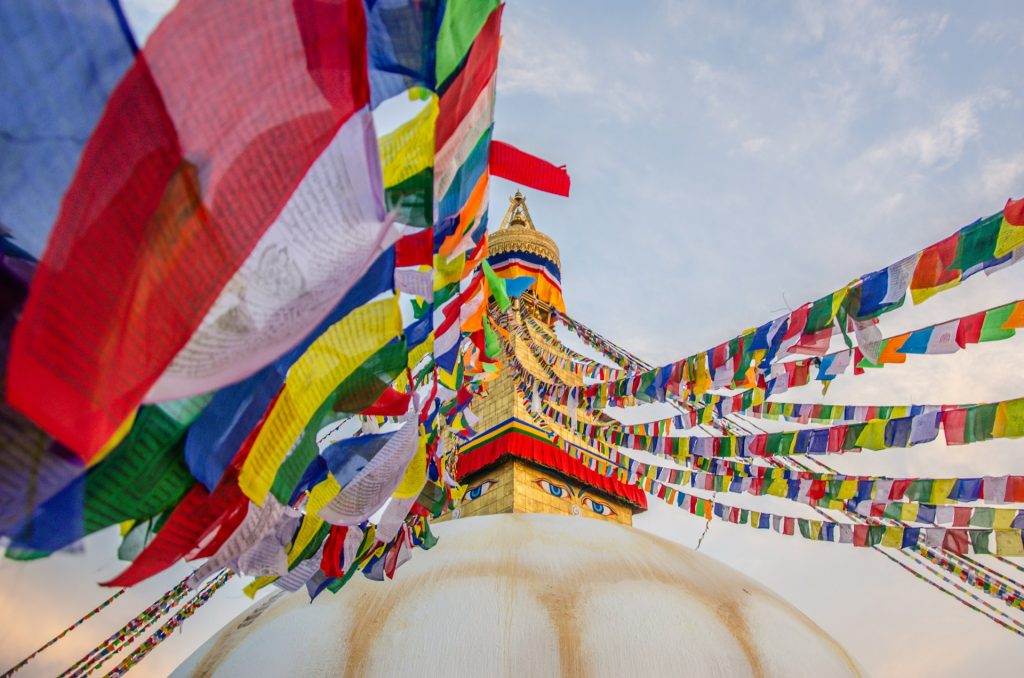
Candid doesn’t mean sneaky. If your gut says the shot might feel exploitative or make someone uncomfortable, don’t take it.
Here’s what works:
- Make eye contact. Smile. A subtle nod goes a long way.
- Learn a few basic phrases in the local language — hello, may I take your photo, thank you.
- Show the photo if someone asks. Be gracious, not defensive.
If someone says no, respect it. There’s always another shot.
And if someone says yes? Don’t freeze. Take the photo, take a second one, say thanks, and move on. Don’t turn it into a photoshoot.
Focus on the Everyday, That’s Where the Story Is
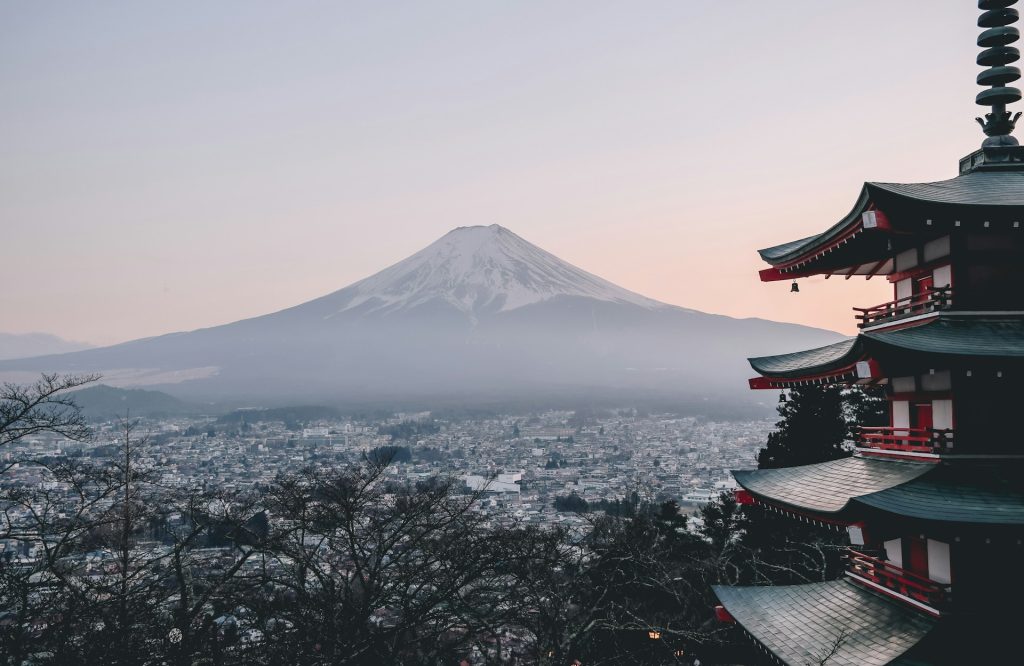
Skip the staged tourist zones. The real magic is in daily life — a grandmother sweeping her stoop, kids chasing a soccer ball through an alley, a food vendor balancing seven plates on one arm.
To find those shots:
- Walk behind markets, not just through the front.
- Hang out where commuters wait — ferries, footbridges, train stations.
- Visit neighborhoods early, before the crowds hit.
Street photography isn’t about events, it’s about rhythm. Once you catch the rhythm, the stories start to show up everywhere.
Shoot Through, Not Just At
One way to build better layers and depth into your shots: stop shooting from the outside looking in.
Instead:
- Frame through doorways, fences, rickshaw windows, café awnings
- Use smoke, glass, or even traffic as foreground blur
- Let the street fold into itself — subjects in front, middle, and back
This makes your photos feel lived in, not just observed. It puts the viewer in the space, not outside it.
Be Present, Don’t Overshoot
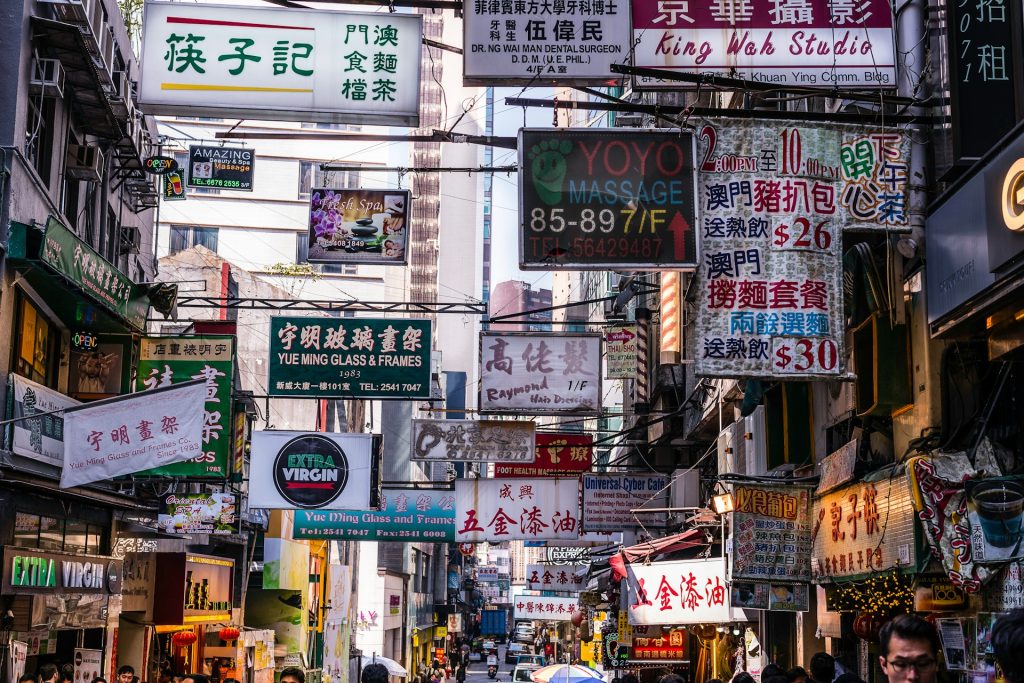
It’s easy to shoot 200 frames and miss the moment. Good photography is about attention, not volume.
Train yourself to slow down:
- Don’t hold the shutter — press it when you feel the photo
- After you shoot, take a few seconds to look around before moving on
- Ask yourself: Would I take this shot if I couldn’t post it?
The goal is to make images you remember taking, not just ones that live in your camera roll.
Know Where You Are, Not Just What You See
In some countries, there are places where photography is restricted for religious, political, or cultural reasons.
Stay alert:
- Don’t shoot military bases, police stations, or protests — especially in places like Myanmar or Vietnam, where surveillance is real
- Be cautious in religious ceremonies or funerals, even if others are taking photos
- Always ask before photographing someone’s home, even if the door is open
Being a traveler doesn’t excuse you from respect. Street photography is powerful — but so is presence.
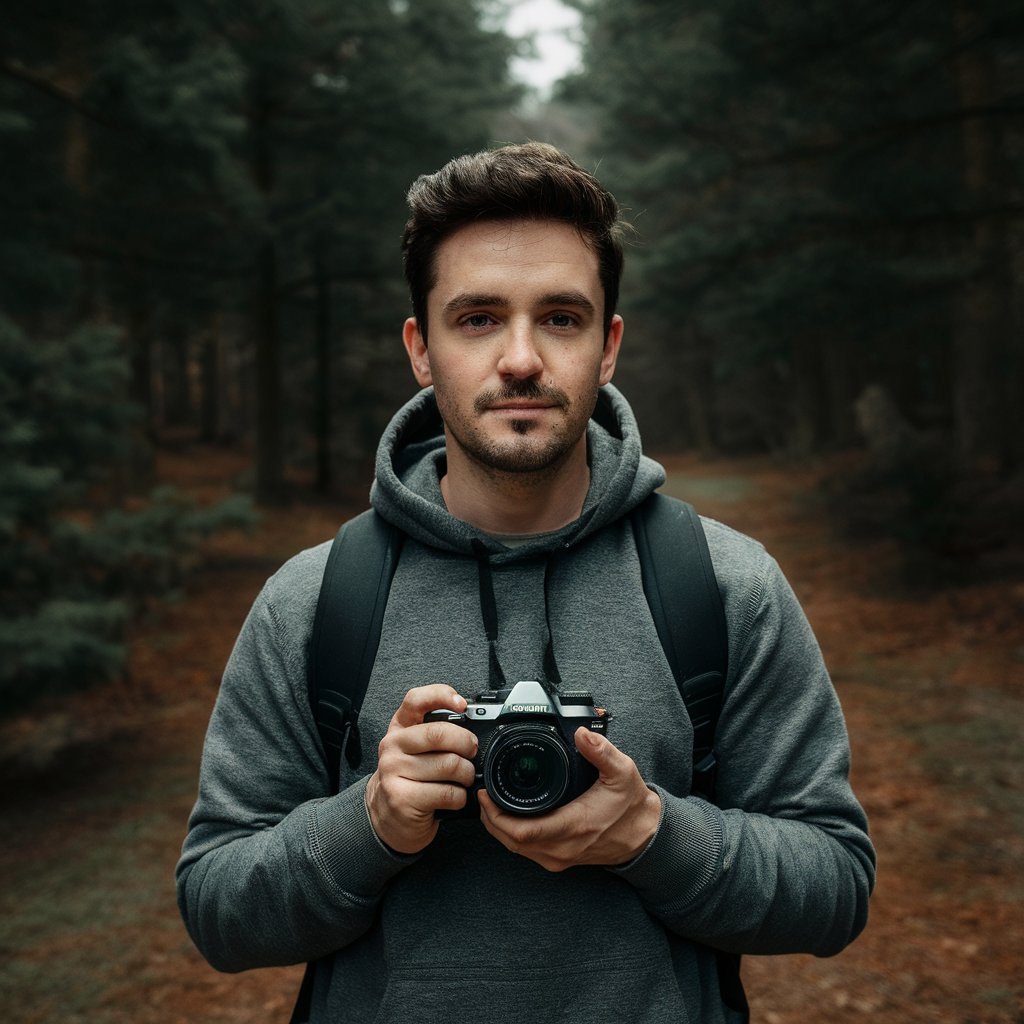
I’m Garrett, a seasoned photojournalist with a passion for uncovering the world’s hidden treasures. My journey is fueled by a deep curiosity for diverse cultures and breathtaking landscapes. When I’m not behind the lens capturing the world’s wonders, you can find me exploring underwater realms or sharing my passion for discovery with my two adventurous children.
Related posts:
 The Best Destinations for Wildlife Photography in Africa
 Everything I Wish I Knew Before Packing for Southeast Asia (After 12 Months on the Road)
 Feast Under the Neon: How to Navigate the Night Markets of Taiwan
 The Best Street Art Cities in the World – A Guide from Someone Who’s Photographed Urban Art Across Four Continents