Table of Contents
Africa delivers the kind of wildlife encounters that stay with you, not just because of what you see, but how close you get. Elephants crossing the road at golden hour. A lion locking eyes with your lens. Giraffes stepping through early morning mist. You don’t need a mega-lens or luxury lodge to shoot these moments, just the right place, good timing, and a little patience.
Here’s where to go if you want your camera to do more than just take pictures; you want it to remember.
Masai Mara, Kenya
For the Big Cats and the Great Migration
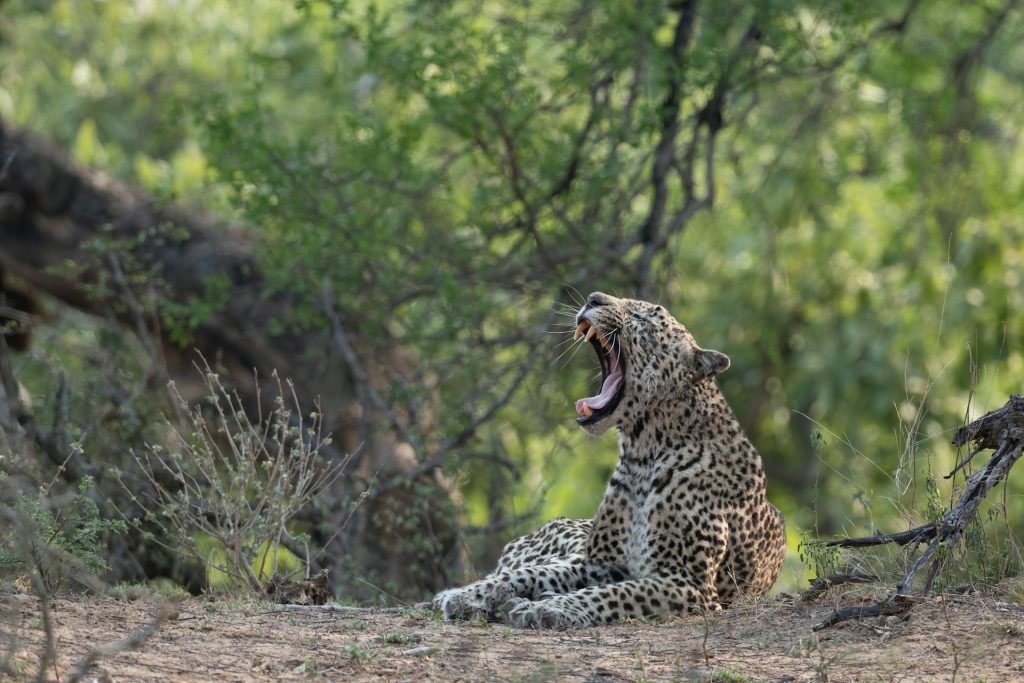
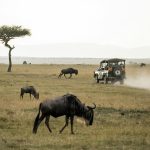
The Masai Mara isn’t a secret. But it’s still one of the most photogenic wildlife reserves in the world — wide open grasslands, golden light, and a density of big game that gives you constant opportunities to shoot.
What to expect:
- Big cats in motion, lions, cheetahs, and leopards, are often visible without a zoom.
- The Great Migration (July–October), when wildebeest and zebra cross the Mara River, with crocs waiting in the water.
- Easy access to experienced guides who understand light, angles, and positioning for photographers.
Pro tip: Book a multi-day stay just outside the main park to avoid the thickest crowds and access private conservancies with better flexibility.
Okavango Delta, Botswana
For Water-Based Wildlife and Unique Perspectives
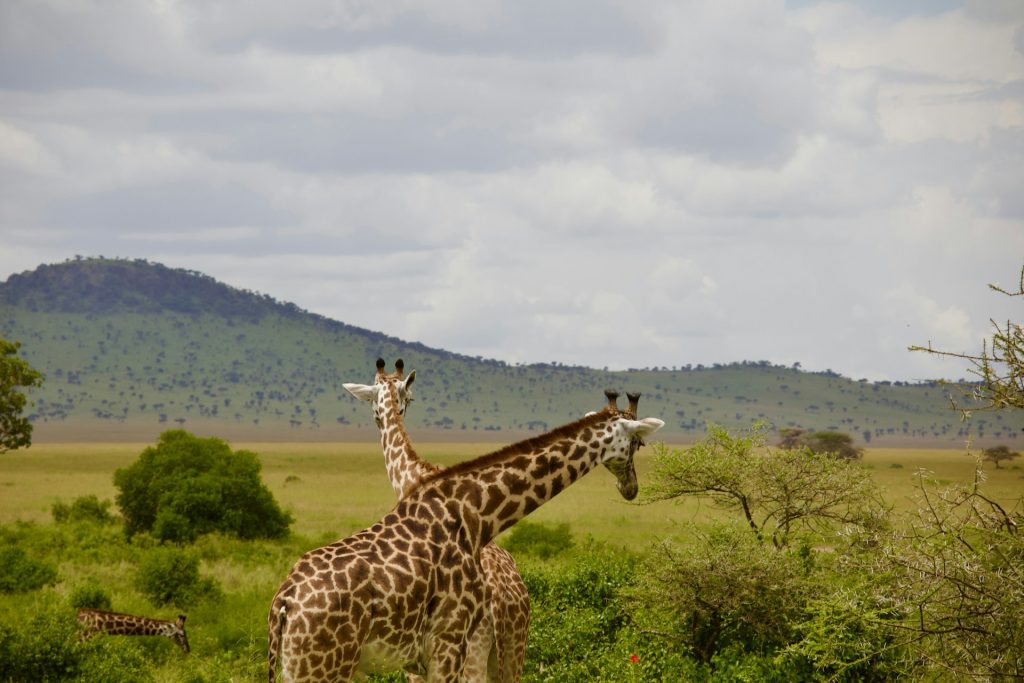
Botswana’s Okavango Delta flips the usual safari setup. Here, you glide past animals by boat, watching elephants wade through water and hippos surface near reed banks. It’s slow, quiet, and intensely photogenic.
Highlights:
- Mokoro rides offer low angles and close views — perfect for unique frames.
- Birds, reptiles, and smaller mammals fill in the moments between big sightings.
- Dry season (May–October) concentrates animals near water, increasing chances of high-impact shots.
This isn’t about fast action. It’s about timing, silence, and texture. You’ll shoot fewer frames — but better ones.
Etosha National Park, Namibia
For Clean Backdrops and High Contrast
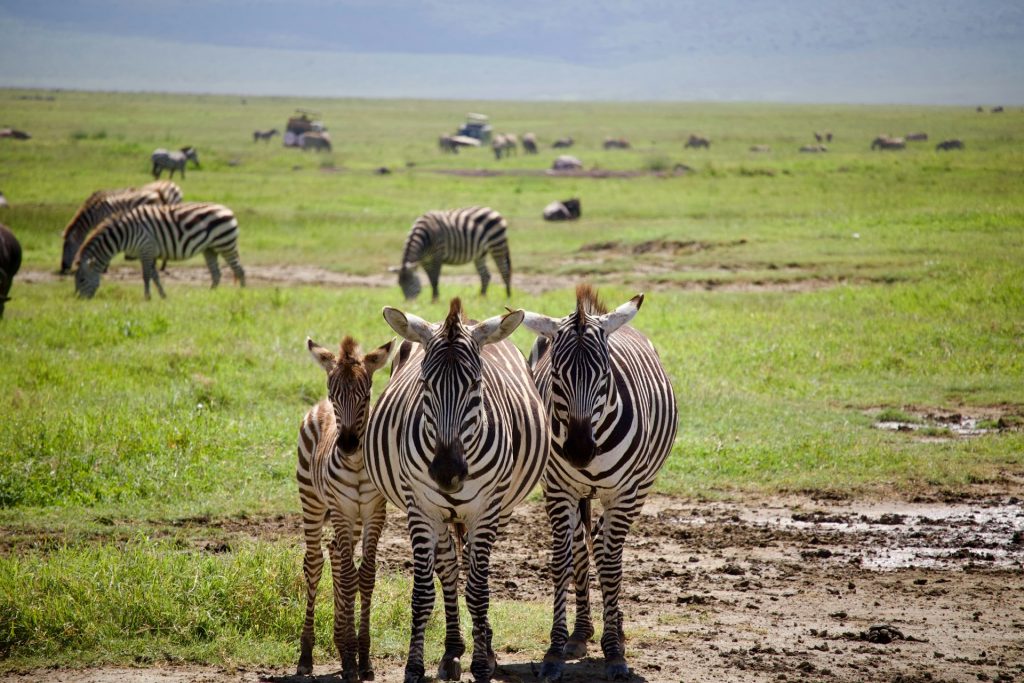
Etosha’s open salt pans and sparse landscapes make it a dream for minimalist composition. Animals stand out in clean contrast, framed by sky, dust, and light.
What stands out:
- Iconic silhouettes — elephants at sunrise, oryx outlined against white sand.
- Waterholes that act as all-day studios — park yourself and wait.
- Night photography options at floodlit waterholes near certain camps.
Bring extra batteries and cards. The conditions are dusty and dry, but the shooting is nonstop.
South Luangwa, Zambia
For Offbeat Wildlife and Walking Safaris
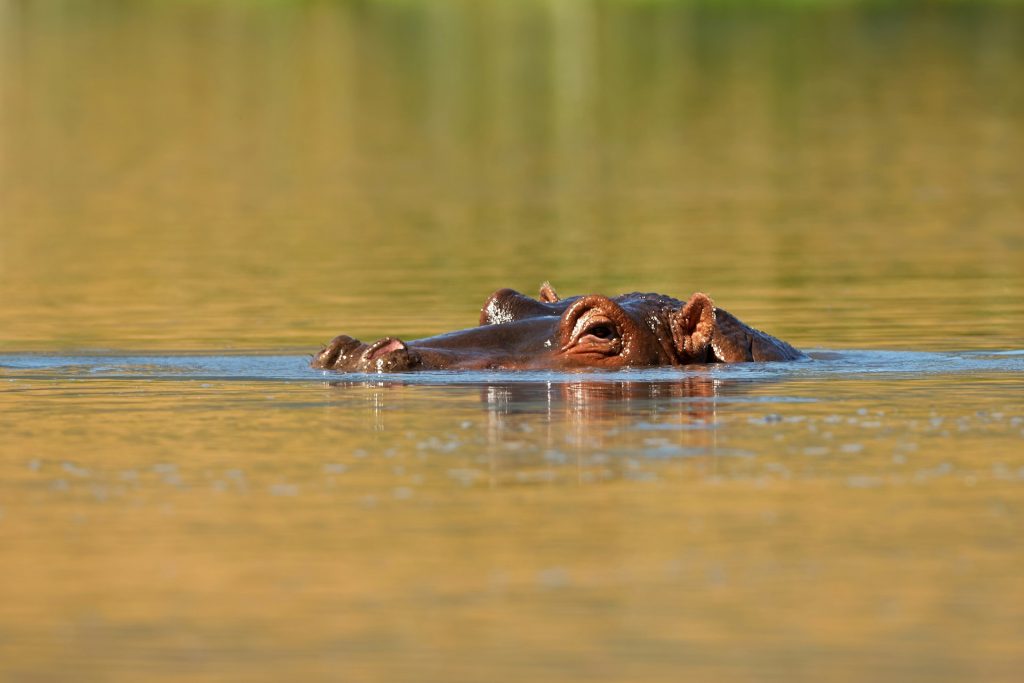
Zambia flies under the radar, but South Luangwa is packed with photographic potential — especially if you want space, fewer vehicles, and the chance to shoot from different angles.
Key draws:
- Leopards are common and often spotted in daylight.
- Walking safaris let you shoot from ground level — a rare angle in most parks.
- The Luangwa River draws in huge herds, especially late in the dry season (August–October).
It’s not the place for quick drives and checklist safaris. You go slow here, and that makes the shots feel earned.
Volcanoes National Park, Rwanda
For Mountain Gorillas in Natural Light
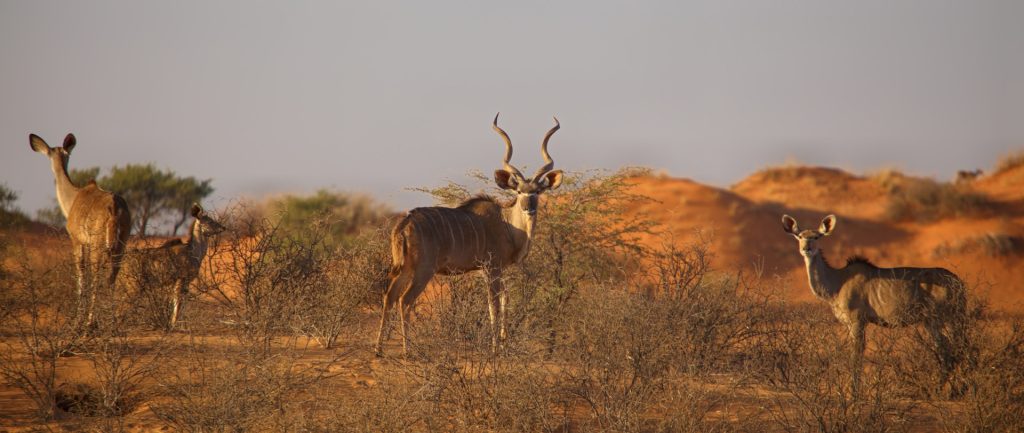
Gorilla trekking is a bucket-list moment, but it’s also one of the most intimate wildlife experiences you can have with a camera in hand. Rwanda makes it accessible without sacrificing the setting.
What to know:
- You’ll get one hour with the gorillas — enough for portraits, group interaction, and detailed expressions.
- Natural forest cover creates diffused light, ideal for contrast and skin texture.
- Permits are limited, so book early. Group sizes are small, and the rules prioritize conservation.
Bring a camera that handles low light well. And expect your heart rate to spike when a silverback walks by.
Kgalagadi Transfrontier Park, South Africa/Botswana
For Dramatic Skies and Desert Action
This cross-border park doesn’t get the spotlight like Kruger, but it’s a favorite among photographers who like dry terrain, dramatic backdrops, and predator-heavy game drives without crowds.
What you’ll shoot:
- Big cats in big light — especially black-maned lions and cheetahs on the hunt.
- Red dunes, stormy skies, and harsh sunlight — challenging but rewarding for dynamic compositions.
- Raptors, jackals, and hyenas dominate the early morning and twilight hours.
It’s remote, so self-driving photographers love it. Bring long lenses, patience, and a sense of direction.
Bwindi Impenetrable Forest, Uganda
For Raw, Untouched Encounters
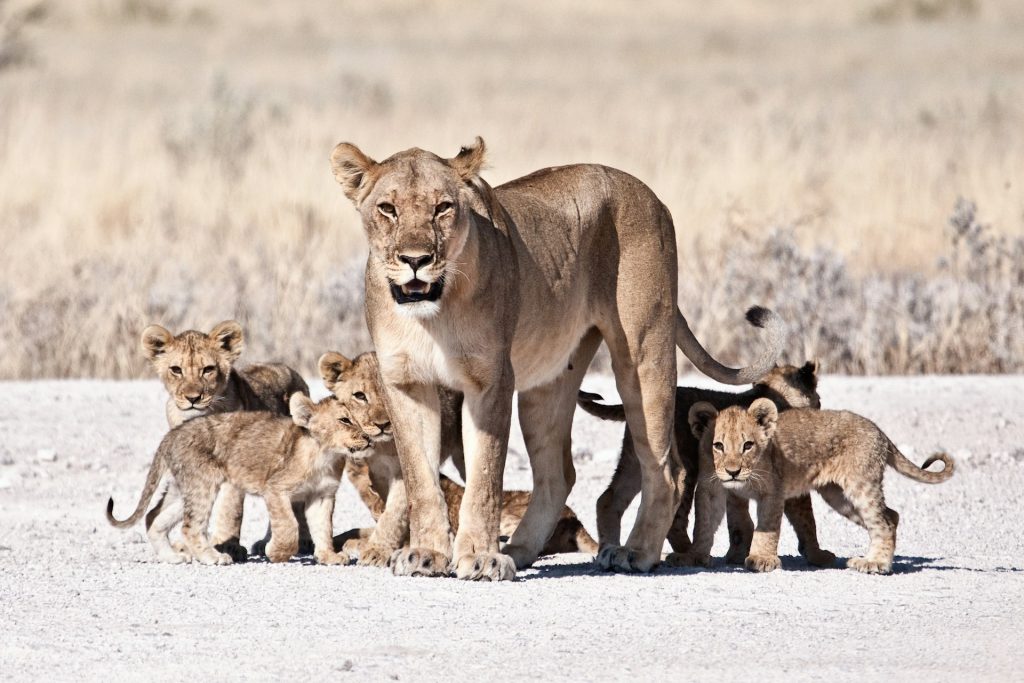
Similar to Rwanda but wilder and more rugged, Bwindi delivers raw, moody forest photography that feels closer to nature than spectacle.
Expect:
- Thick jungle, high humidity, and sudden open clearings that let in pockets of soft light.
- Gorilla groups that are well-habituated but still unpredictable.
- More physical trekking, which also means more candid, unposed photo ops.
Your gear will get wet. Your hands will get dirty. And your images will be some of the most personal ones you’ve ever taken.
Addo Elephant National Park, South Africa
For Up-Close Elephant Portraits
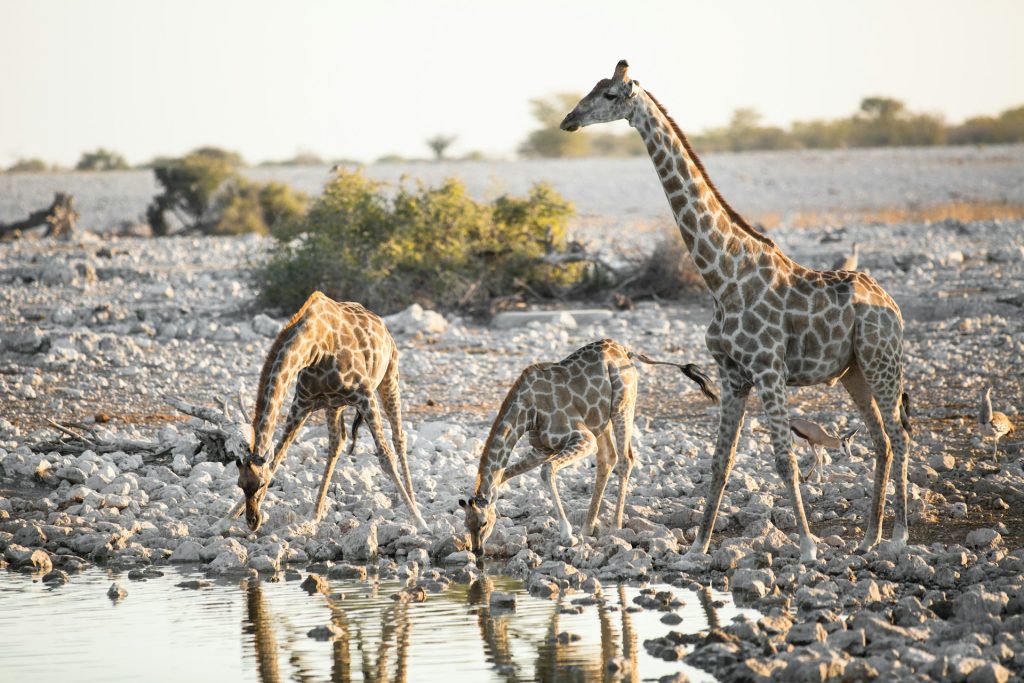
Just a few hours from Port Elizabeth, Addo gives you some of the best elephant access on the continent, with no telephoto required.
Why it works:
- Massive herds, often near the road.
- Dusty terrain and golden light combine for epic close-ups.
- Self-drive friendly — perfect for independent photographers on a budget.
Elephants here aren’t just a sighting, they’re everywhere. Which means you can shoot, adjust, and reshoot until you get the frame you want.
Tips for Getting Better Shots Anywhere
It’s not just where you go, it’s how you shoot once you’re there.
Key habits that help:
- Shoot early and late — harsh mid-day sun flattens your shots. Golden hour brings depth.
- Focus on behavior, not just portraits — drinking, grooming, hunting, yawning. That’s the story.
- Keep the horizon straight — always. Nothing ruins a shot faster than a tilted landscape.
- Don’t over-zoom — context adds meaning. Show the animal in its environment.
- Use silence — no loud shutter clicks, no shouting across vehicles. Let the scene unfold.
Patience always wins. Some of your best photos will come an hour after you thought nothing was going to happen.
I’m Garrett, a seasoned photojournalist with a passion for uncovering the world’s hidden treasures. My journey is fueled by a deep curiosity for diverse cultures and breathtaking landscapes. When I’m not behind the lens capturing the world’s wonders, you can find me exploring underwater realms or sharing my passion for discovery with my two adventurous children.