Table of Contents
Southeast Asia isn’t just about temples, motorbikes, and street food. It’s also home to some of the most underrated surf spots in the world. Warm water, consistent swells, tropical backdrops without the crowds (or prices) of places like Australia or California. If you’re chasing waves in this region, you’re in the right place.
Here are the best surfing destinations in Southeast Asia, plus what to expect from the breaks, the crowds, and the culture.
1. Uluwatu, Bali (Indonesia)
For Consistent Reef Breaks and Iconic Lefts

Uluwatu is Bali’s surf legend. It’s where the waves hit hard, the cliffs rise high, and the surfers don’t waste time paddling out unless they know what they’re doing.
What makes it stand out:
- Powerful left-hand reef breaks, best at mid to high tide
- Multiple peaks that work at different swell sizes
- A lively surf scene with cliffside warungs and post-surf cold beers
The cave entry paddle-out is sketchy for first-timers. Intermediate and advanced surfers thrive here. Beginners should head to nearby Padang Padang Right or Dreamland.
2. Siargao Island (Philippines)
For Barreling Perfection and Laid-Back Island Vibes
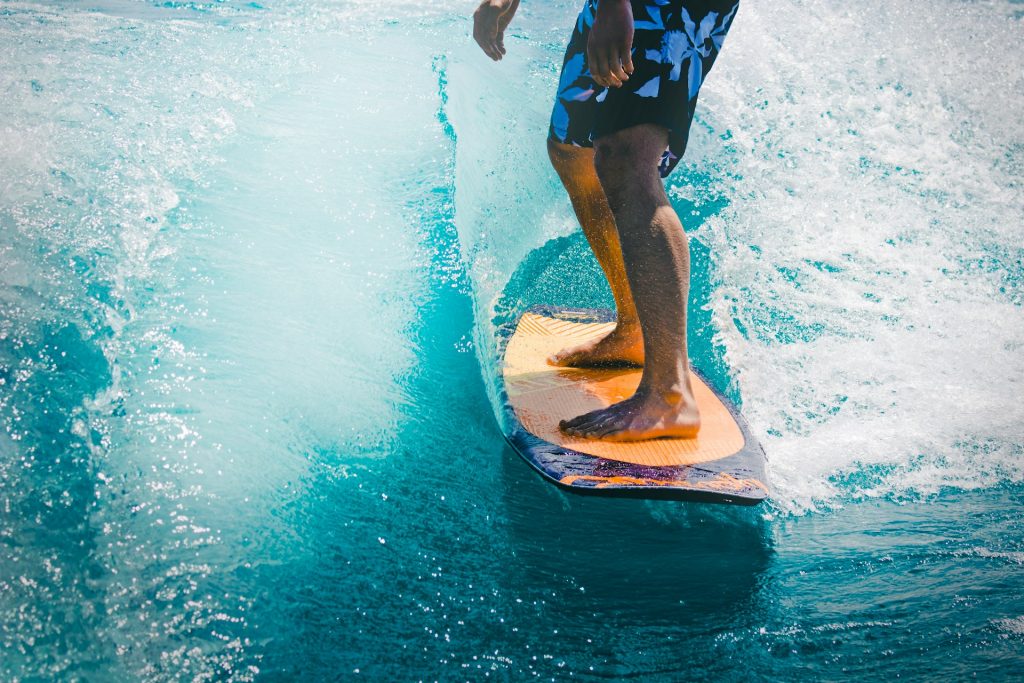
Siargao used to be off the radar. Not anymore. But it still feels raw, natural, and full of that island energy that keeps surfers staying way longer than planned.
What you’ll find:
- Cloud 9 – a heavy, hollow right-hand reef break. Famous and photogenic.
- Friendly beach breaks for beginners, like Jacking Horse and Daku Island
- A surf culture that’s welcoming and low-pressure, even when the lineup is full
Dry season (Sept–May) brings cleaner waves, but it’s surfable most of the year. Bring reef booties. Coral cuts are common.
3. Batu Karas, West Java (Indonesia)
For Longboarders and Smooth Rolling Waves
Bali’s baby cousin. Batu Karas is mellow, quiet, and home to some of the longest, most forgiving rights in the region. It’s perfect for longboarders, families, or anyone who wants to surf without the chaos.
Why it works:
- Sandy point break with long rides and soft shoulders
- Surf schools and board rentals right on the beach
- Slow village pace and budget-friendly homestays
It’s not for thrill-seekers chasing barrels; it’s for style, fun, and smooth lines.
4. Vung Tau, Vietnam
For City Waves and Unexpected Stoke
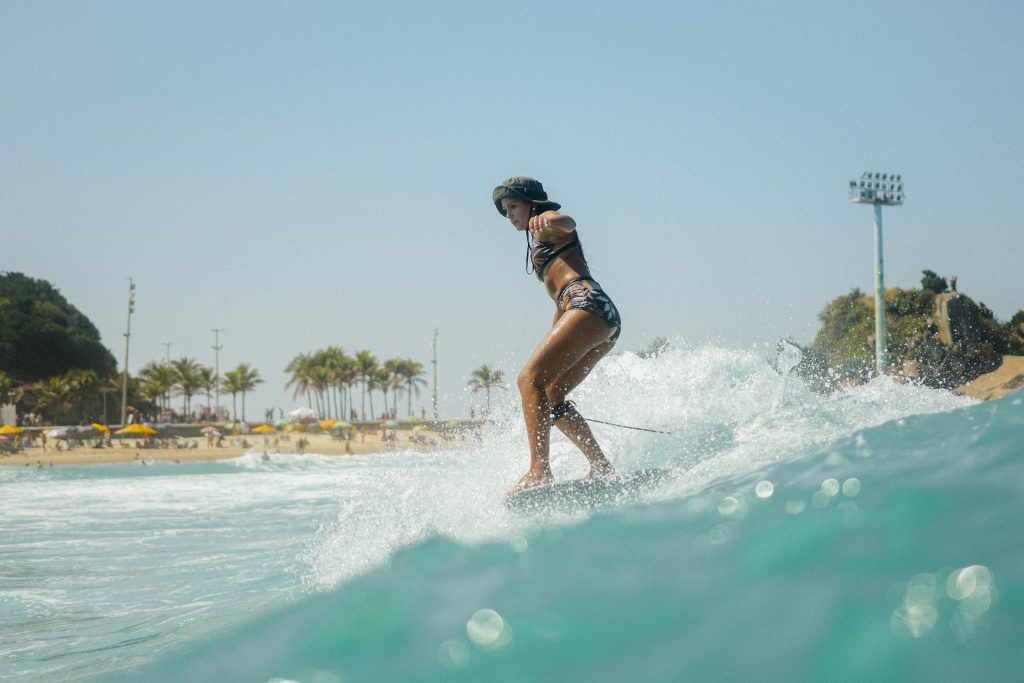
Vietnam isn’t the first place people think of for surf, but the coastline has pockets that work, especially during the monsoon months.
Vung Tau, just a couple of hours from Ho Chi Minh City, offers:
- Short but rideable beach breaks on stormy days
- Decent waves during typhoon season (Oct–Dec)
- A growing local surf scene, especially with weekenders
It’s inconsistent, but when it fires, it’s the best option in southern Vietnam without a flight.
5. Cherating, Malaysia
For Empty Lineups and Tropical Point Breaks
Malaysia is a sleeper. Cherating is the standout, a left-hand point break that wraps beautifully down a jungle-lined bay.
Here’s why it delivers:
- Smooth, long rides are perfect for beginners and intermediates
- Shoulder-season swells (Nov–March) with minimal crowds
- Beach shacks, fire pits, and board repair stalls run by locals
Not a party scene. Not a bucket-list spot. But if you want quiet sessions and warm water, it’s gold.
6. Lombok (Indonesia)
For Bali-Quality Waves Without the Bali Crowds
Lombok is a short hop from Bali but feels like a different world; less traffic, fewer villas, and breaks that still feel wild.
Top spots:
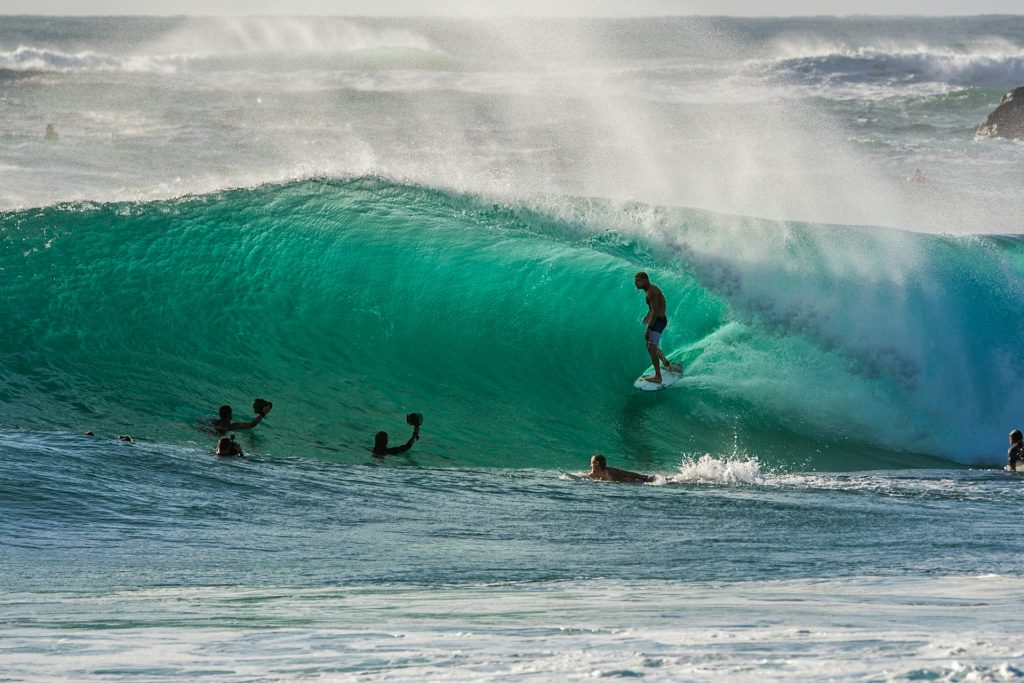
- Desert Point (Bangko-Bangko) – heavy left-hand barrels for experienced surfers
- Gerupuk – a beginner-friendly bay with several mellow peaks
- Mawi – a punchy beach break with a strong local crew
Rent a scooter and fit it with your board rack if you have it handy, then explore. The waves are worth the chase.
7. Phuket, Thailand
For Wet-Season Beach Breaks and a Built-In Social Scene
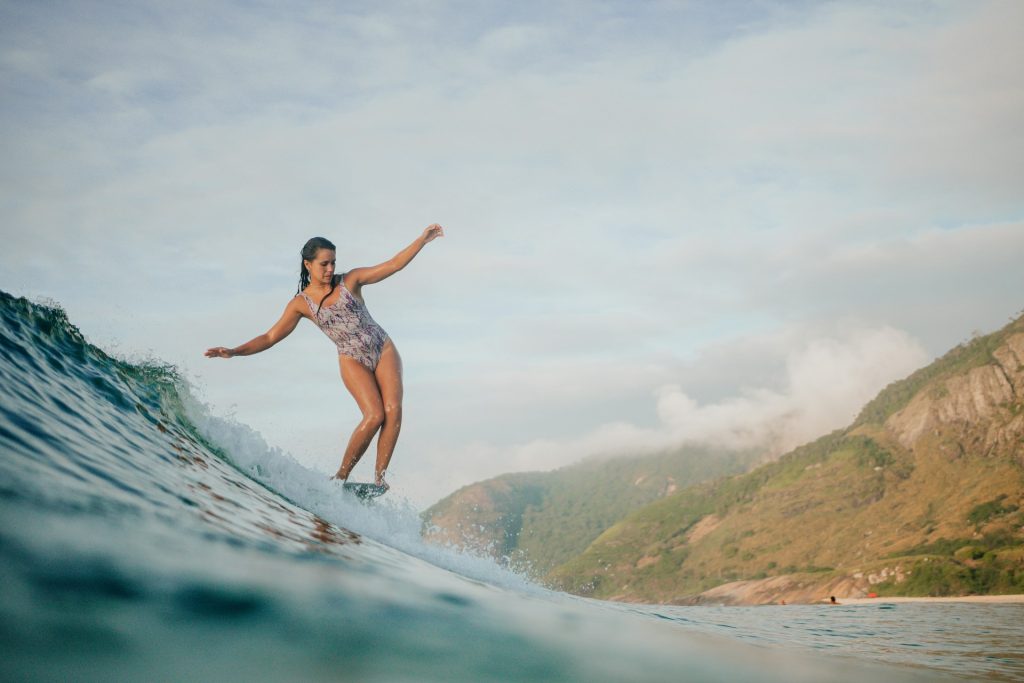
Thailand’s west coast isn’t world-class, but it’s reliable in season and great for beginners or travelers passing through.
What you’ll find in Phuket:
- Surfable beach breaks at Kata and Nai Harn (May–October)
- Tons of rental shops and surf schools
- A party scene if you want it, peaceful corners if you don’t
Waves are soft but consistent enough to improve your skills. Don’t expect barrels — do expect warm water and postcard settings.
8. Sumbawa (Indonesia)
For Hardcore Waves and Off-the-Grid Adventure
Sumbawa is where you go when you want remote, powerful, and uncrowded. The roads are rough, the towns are small, and the waves are heavy.
Key breaks:
- Lakey Peak – one of the best A-frame waves in the region, perfect shape, consistent swell
- Periscopes – fast, hollow right-hander for advanced surfers
- Scar Reef – sharp, shallow, and not for the faint of heart
Bring everything you need: gear, medicine, and backup fins. There’s no surf shop around the corner.
9. Krui, Sumatra (Indonesia)
For Consistency and a Still-Underrated Scene
Krui has been gaining traction, but still feels like a frontier surf zone. You get reef, beach, and point breaks all within driving distance, and fewer people in the water than you’d expect.
What to expect:
- Ujung Bocur – long, fast left-hander with serious power
- A solid mix of beginner and advanced spots nearby
- Rustic bungalows, hammocks, and strong coffee
It’s not as developed as Bali or Siargao. But if you want waves without the noise, it’s ideal.
10. Bali (Yes, Again)
For Surf at Every Level, All in One Island
Bali earns another mention because it simply offers everything: reef breaks, beach breaks, heavy waves, soft peelers, party towns, quiet surf villages.
Break it down:
- Kuta and Seminyak – beginner-friendly with board rentals every 50 feet
- Canggu – intermediate waves and strong surf culture
- Padang Padang, Impossibles, Bingin – classic reef breaks for confident surfers
You can land at the airport and be paddling out within an hour. Just know that with ease comes crowds, so early sessions and lesser-known breaks make all the difference.

I’m Garrett, a seasoned photojournalist with a passion for uncovering the world’s hidden treasures. My journey is fueled by a deep curiosity for diverse cultures and breathtaking landscapes. When I’m not behind the lens capturing the world’s wonders, you can find me exploring underwater realms or sharing my passion for discovery with my two adventurous children.