
Table of Contents
Long-haul buses in South America aren’t just transportation, they’re part of the experience. If you’re covering real distance on a budget, you’ll end up logging 10, 15, even 30 hours at a time on the road.
From winding through the Andes to crossing borders at night and riding into cities at sunrise, some rides go smoothly, others will test every ounce of patience you have.
Here’s how to get through them in one piece — fed, rested, and without losing your mind.
Booking the Right Seat Makes All the Difference
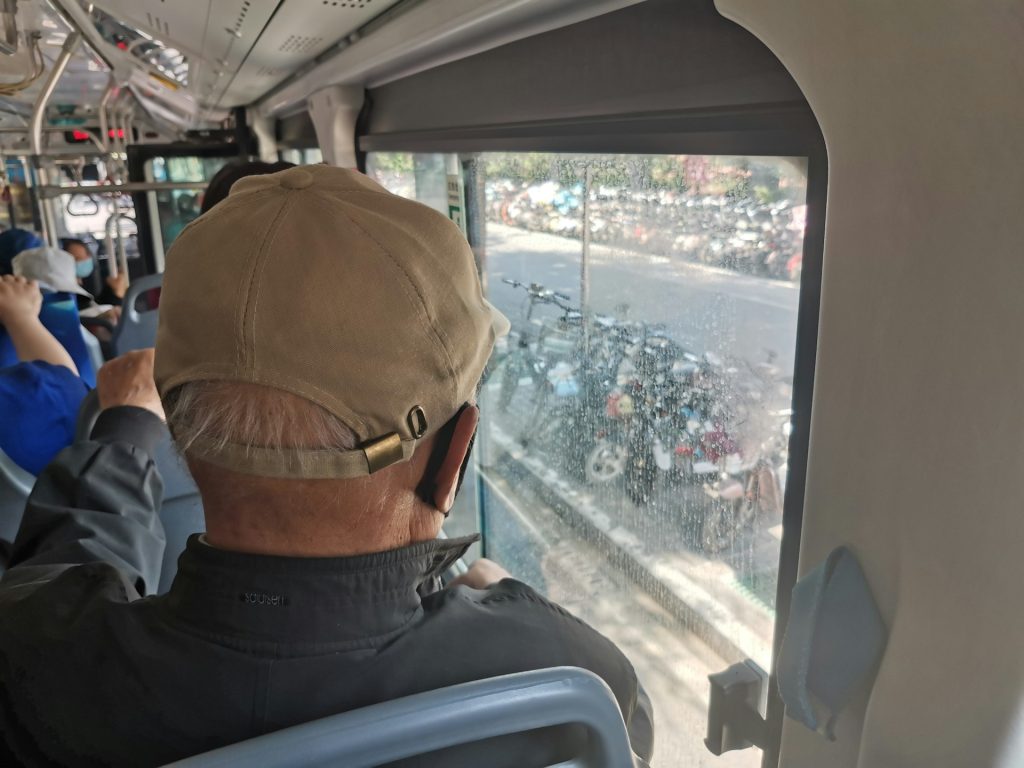
Not all buses are equal. In countries like Argentina, Chile, Peru, and Colombia, you’ll find different seat classes, and picking the wrong one turns a long ride into an endurance test.
Look for:
- Cama or semi-cama: These are wide, reclining seats with leg rests. Semi-cama reclines about 140°, cama reclines more, and cama-suite (in some countries) is nearly flat.
- Lower deck seats: Usually quieter, with less movement and better suspension.
- Front row or middle seats: Stay away from the very back, it’s bumpier and often near the toilet.
Always check reviews of the bus company before booking. Cruz del Sur (Peru) and Tur Bus (Chile) are reliable. Others can be hit or miss.
Bring Layers for an Icebox or an Oven
Temperature control is more theory than reality on these buses. Sometimes it’s blasting cold AC. Other times it’s stifling and stuffy.
What to pack:
- A hoodie or fleece
- A light scarf or buff (can double as a pillow or eye mask)
- Long pants, not shorts — cold legs will wake you up fast
- Socks, even if you’re wearing sandals
Forget about asking the driver to adjust the temperature, pack for both extremes.
Don’t Count on Meal Stops

Some long-distance buses provide meals. Most don’t. And even when they do, it’s usually a stale sandwich or mystery meat wrapped in foil.
Smart snacks to bring:
- Peanut butter sandwiches or cold empanadas
- Dried fruit, nuts, or protein bars
- Instant noodles or oatmeal (just ask for hot water)
- A refillable water bottle (fill up before you leave)
- Electrolyte tablets or powder — especially for high-altitude routes
Avoid anything too salty or heavy. Stick to food that won’t make your stomach regret being on a bumpy road for 18 hours straight.
Don’t Forget Offline Entertainment

Once that bus pulls out of the station, your phone signal’s gone, especially in rural or mountain regions. And no, most buses don’t have working Wi-Fi.
Before you go:
- Download playlists, podcasts, and audiobooks
- Cache offline maps for your destination
- Save a few Netflix episodes or movies
- Pack a book or Kindle — battery-free and reliable
Plan like you’ll be offline for the entire ride. If you get a signal, great. But don’t depend on it.
Charge Everything Ahead and Bring Backup
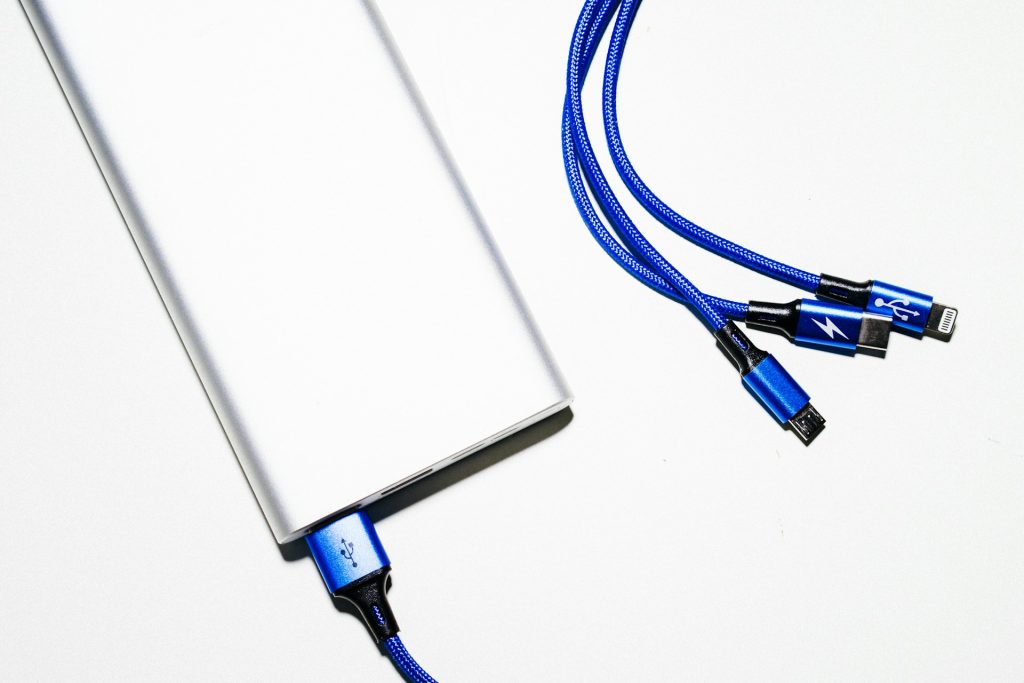
Some newer buses have USB outlets. Many don’t. And if they do, they might not work, or they’ll already be claimed by someone else.
Prep for survival mode:
- Fully charge your phone, earbuds, power bank, and Kindle
- Bring a charged power bank — not one you’ll “charge on the bus”
- Carry a splitter if you’re traveling with someone and want to share the outlet
A dead phone halfway through Bolivia with no signal, no map, and no idea how many hours are left? Avoid that.
Bring the Right Gear for Sleep (Or Something Close to It)

You won’t get full REM cycles on a bus, but you can get close with the right tools.
Must-haves:
- Neck pillow — inflatable ones save space
- Eye mask — especially for routes with bright interior lights
- Earplugs or noise-canceling earbuds — snoring, crying babies, and ’90s rom-coms dubbed at full volume are standard
- Small blanket or sarong — adds warmth and comfort without bulk
Some travelers use melatonin or motion sickness meds to knock themselves out. Just know your limits; you still need to wake up for border checks.
Know What to Expect at Border Crossings
If you’re crossing an international border mid-ride, you’ll get woken up. Sometimes multiple times. Drivers might not speak English, and border protocols can vary by country.
Be ready:
- Keep your passport and entry documents handy — not in the overhead compartment
- Bring a pen for immigration forms
- Have small bills in local currency — some borders charge exit/entry fees
- Don’t wander off at stops. Drivers often leave on a schedule, whether everyone’s back or not.
Ask locals or check forums for recent border updates. Political protests or new visa rules can throw off your plans without warning.
Watch Your Bags Even in the Luggage Hold
Theft isn’t rampant, but it happens, especially at terminals or overnight.
Here’s how to reduce risk:
- Keep valuables with you at all times, like a camera, a passport, money, phone
- Use a small lock or cable for your daypack if you plan to sleep
- If your big bag goes in the hold, watch it get loaded, and keep your baggage tag
- Don’t hand your bag to a stranger “helping” with luggage unless they’re wearing a company uniform
If you get out at stops, take your essentials with you. Don’t assume the person sitting next to you is keeping an eye on your stuff.
Take Breaks Seriously — Stretch, Move, Reset
Every few hours, buses stop for bathroom breaks, meals, or fuel. Don’t just sit there.
Use every stop to:
- Stretch your legs and back
- Use a real bathroom if one’s available
- Refill your water
- Adjust your layers or freshen up
A five-minute walk around a roadside gas station can reset your energy more than you’d think.
Be Mentally Ready for Delays
In South America, time is flexible. Buses leave late. They stop unexpectedly. Roads wash out. Protests block highways.
Don’t book anything important immediately after your scheduled arrival. Assume you’ll be a few hours late, and you’ll be less stressed when it happens.
Bring patience. A long ride doesn’t have to be miserable if you’re prepared.

I’m Garrett, a seasoned photojournalist with a passion for uncovering the world’s hidden treasures. My journey is fueled by a deep curiosity for diverse cultures and breathtaking landscapes. When I’m not behind the lens capturing the world’s wonders, you can find me exploring underwater realms or sharing my passion for discovery with my two adventurous children.
Related posts:
 Mastering Public Transportation in India: A Traveler’s Guide – From Someone Who’s Survived Every Type of Indian Transit
 Surviving the Trans-Siberian Railway: What They Don’t Tell You About The World’s Longest Train Journey
 Everything I Wish I Knew Before Packing for Southeast Asia (After 12 Months on the Road)
 The Ultimate Guide to Overlanding in Africa: Beyond the Safari Circuit