
Table of Contents
Bali has a reputation for tropical beaches, infinity pools, wellness retreats, and curated villas. But the real Bali isn’t hidden behind high walls or resort gates. It’s in rice paddies that go on forever, in smoky roadside warungs, and in the rhythms of daily life that keep moving no matter who’s visiting.
You don’t need a five-star budget to tap into that. With a little planning and a few smart decisions, you can stretch your cash and still see the best the island has to offer.
Here’s how to experience Bali without overspending and missing the good stuff.
Fly Smart and Know When to Land
Getting to Bali is the first expense, but there are ways to soften the blow.
Budget moves:
- Fly midweek – fares drop significantly Tuesday through Thursday.
- Use flight alert tools to track dips (Google Flights, Skyscanner, Hopper).
- Consider flying into Jakarta and grabbing a cheap domestic flight to Bali if it’s significantly cheaper.
Once you land, skip the overpriced airport taxis. Use Grab or Bluebird (the official metered taxi company) for fair, reliable transport.
Choose Your Base Wisely
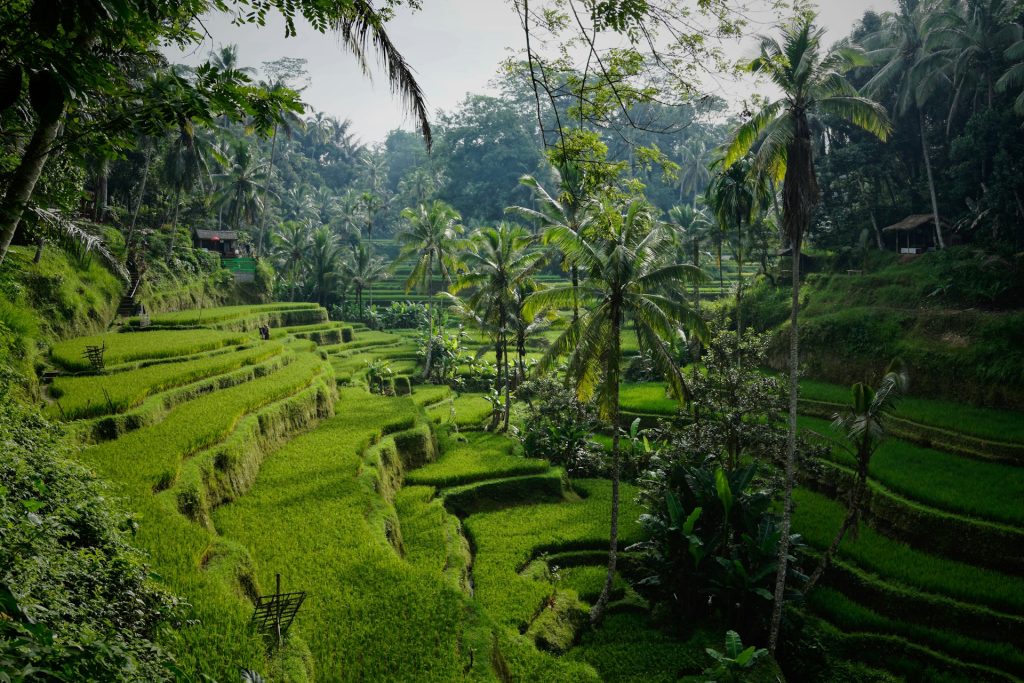
Where you stay in Bali affects everything: what you spend, what you eat, and how you move.
Budget-friendly locations:
- Canggu: Surf, co-working, cafes. Popular with backpackers and remote workers. Tons of budget guesthouses and hostels are tucked between rice fields.
- Ubud: Culture, yoga, and jungle views. Dorms and family-run homestays are easy to find under $15/night.
- Amed: Coastal peace without the price tag. Great for diving and snorkeling if you have your gear, far from the party scene.
- Sanur: Quieter beaches, better for families and travelers avoiding the crowds in Kuta or Seminyak.
Book a night or two in advance, then ask around locally. Many guesthouses drop their prices for walk-ins or longer stays.
Eat Like You Live There
Bali’s food scene gets international buzz, but it’s also easy to spend $20 on smoothie bowls and “clean” tacos if you’re not careful.
Here’s where the value is:
- Warungs (local food stalls): Nasi campur, mie goreng, tempeh, fresh veggies, all for $1–3 per plate.
- Night markets: Great for satay, grilled fish, fresh fruit juices, and legit local snacks.
- Padang restaurants: Pick and mix curries, vegetables, and meats; you pay by the plate, not the menu.
Skip the imported wine. Bali’s alcohol tax is steep. Stick to local Bintang beer, or try arak cocktails at spots that know how to mix it well.
Rent a Scooter, Not a Car
Bali isn’t huge, but traffic can make short trips feel long. The cheapest and most efficient way to get around is on two wheels.
What to know:
- Daily scooter rentals run $4–7, cheaper for weekly or monthly deals.
- You’ll need an international driver’s permit (especially if you crash, insurance won’t cover you otherwise).
- Always wear a helmet. Not just for safety, police use it as an easy excuse to fine tourists.
For longer trips or bad weather days, GoJek and Grab offer cheap rides, even to remote areas.
Get Off the Main Track
Bali’s most expensive spots are also its most obvious ones. Kuta, Seminyak, Uluwatu; they’ve been built up to serve tourists, and the prices reflect that.
Cheaper and often more rewarding alternatives:
- Sidemen: Quiet valleys, panoramic hikes, and local life. Fewer tourists, better prices, more breathing room.
- Pemuteran: North coast diving and snorkeling without the crowds or cost of the Gili Islands.
- Munduk: Cool air, waterfalls, and coffee plantations are great for trekking and homestays.
The further you go from major hubs, the lower your daily spend. And you’ll see sides of Bali most travelers miss.
Do the Free (or Almost-Free) Stuff
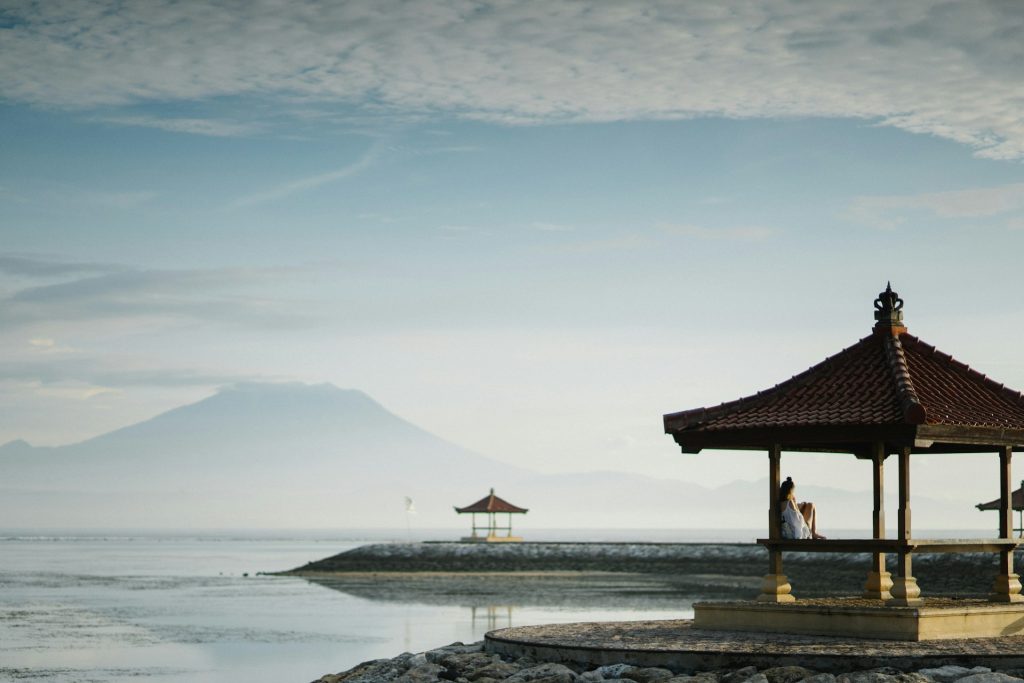
Some of Bali’s best experiences don’t cost a thing.
Low-cost highlights:
- Sunrise at Mount Batur: Entry + guide is around $20–30, but the views are priceless.
- Campuhan Ridge Walk (Ubud): Free, easy, and scenic. Go early to beat the heat.
- Beach days: Padang Padang, Thomas Beach, Bingin – many charge a tiny entrance fee, others are totally free.
- Temple hopping: Besakih, Tirta Empul, and Gunung Kawi are worth visiting – small entrance fees, huge atmosphere.
Dress modestly when visiting temples; your shoulders and knees should be covered. Sarongs are often provided, but carrying your own avoids rental fees.
Skip the Package Tours
Tours and day trips add up fast, and most cover spots you can visit for a fraction of the cost on your own.
Instead:
- Build your itinerary. Rent a scooter or hire a driver for the day ($30–40, split with friends).
- Prioritize fewer spots per day. Rushing from waterfall to rice terrace to coffee tour kills the experience (and your budget).
- If you do book a tour, go local, guesthouses often know cheaper, smaller operators than what you’ll find online.
Some of the most memorable moments in Bali happen when you’re not on a schedule.
Balance Wellness With Realism

Yoga classes, massages, and wellness retreats are part of Bali’s draw — and they don’t have to be expensive.
Best-value options:
- Drop-in yoga classes in Ubud or Canggu: $5–10 per class.
- Local massage shops: $6–12 for an hour. Skip the resort spas.
- Sound healing or meditation: Check local notice boards for donation-based sessions.
Wellness doesn’t have to come with an Instagrammable juice cleanse. A slow day, good food, and a $7 massage go a long way.
Buy Less, Experience More
Markets in Bali are full of tempting buys like sarongs, carvings, and jewelry. But haggling culture + inflated tourist pricing = easy overspend.
Smart tips:
- Shop where locals shop, not just tourist centers.
- Bargain respectfully, and be ready to walk away.
- Set a budget for souvenirs and stick to it.
The memories, hikes, sunsets, waves, and people are the real takeaways. Let the rest be extra.

I’m Garrett, a seasoned photojournalist with a passion for uncovering the world’s hidden treasures. My journey is fueled by a deep curiosity for diverse cultures and breathtaking landscapes. When I’m not behind the lens capturing the world’s wonders, you can find me exploring underwater realms or sharing my passion for discovery with my two adventurous children.
Related posts:
 I Saw the Northern Lights for Less Than the Cost of a Tourist Tour (And Got Better Views)
 I Had a Luxury Maldives Honeymoon on a Budget for the Price of a Regular Beach Vacation
 Best of Tokyo on a Budget – I Spent a Week in Tokyo for Less Than One Night at the Park Hyatt (Where They Filmed ‘Lost in Translation’)
 I Saw Japan’s Best Cherry Blossoms Without Going Broke (While Tourists Paid Triple at Peak Spots)